Follow Me On Social Media!
Cottage Cheese Pizza Bake

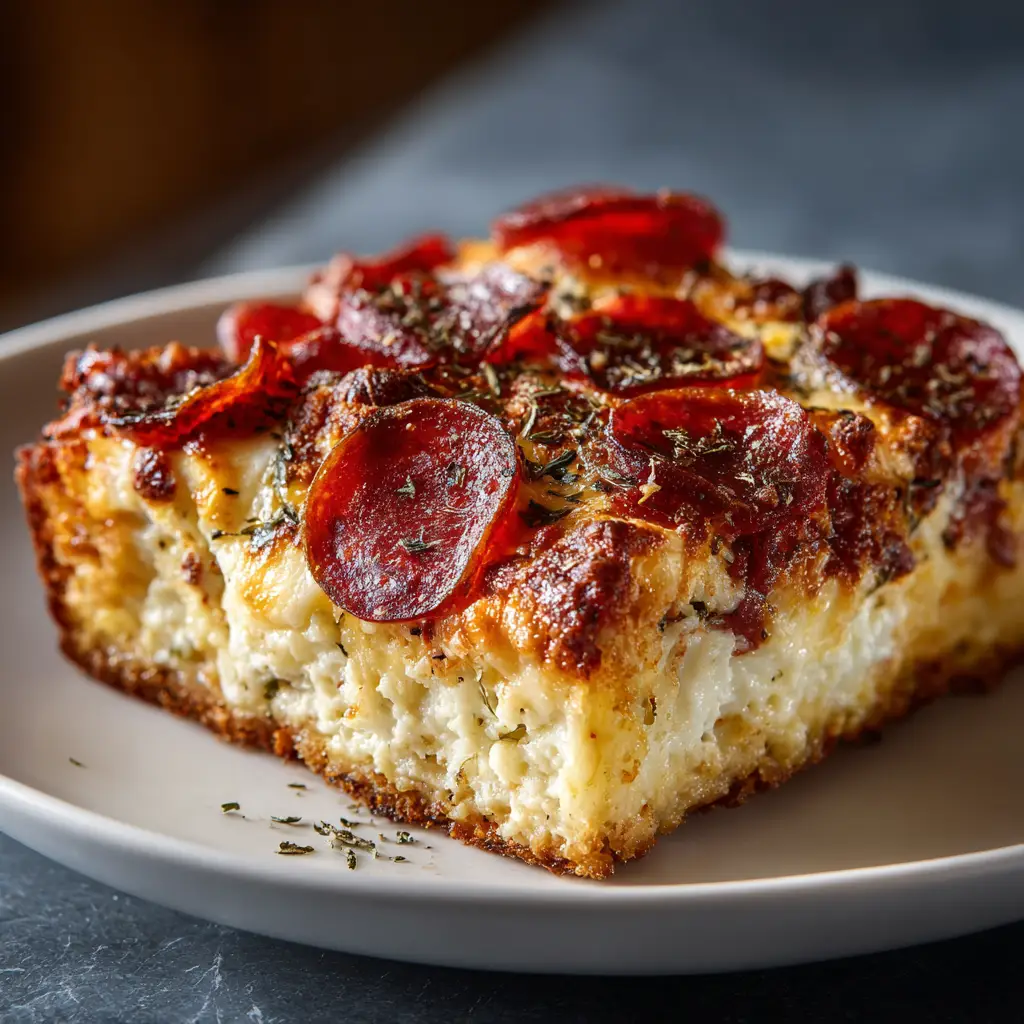
Cottage Cheese Pizza Bake reimagines traditional pizza as a crustless, high-protein casserole by using a baked cottage cheese and egg base as the foundation in place of dough. The technique is straightforward: a seasoned cottage cheese mixture is baked until set and lightly golden, then topped with marinara, mozzarella, and pepperoni and returned to the oven until bubbling and browned — producing all the familiar flavors of pizza in a format that is significantly lower in carbohydrates and higher in protein. The result is a satisfying, family-friendly weeknight dinner that comes together in 40 minutes with minimal prep and just two dishes to clean.
Why You’ll Love This Recipe
- Genuinely High-Protein Without Supplements or Powders – The combination of 24 oz of full-fat cottage cheese and two eggs delivers a substantial protein foundation before the mozzarella is even factored in, making this one of the more protein-dense dinner options you can put together in under an hour.
- All the Pizza Flavors, No Crust Required – Marinara, mozzarella, and pepperoni on a savory, seasoned base produces every element of the pizza flavor experience without the carbohydrate load of traditional dough.
- Two-Stage Baking Produces the Right Texture – Baking the cottage cheese base first before adding toppings ensures it sets fully and can support the sauce and cheese without collapsing or becoming watery — a critical technique detail that makes the difference between a firm slice and a soggy casserole.
- Endlessly Customizable Toppings – The base functions identically regardless of what goes on top, so any combination of vegetables, proteins, or cheeses that works on a traditional pizza works here too.
- Meal Prep Friendly – The bake holds its structure well after slicing and refrigerates cleanly for several days, making it a practical option for preparing lunches or dinners in advance.
- Accessible to Multiple Dietary Lifestyles – Naturally low-carb and gluten-free as written, with straightforward adaptations available for vegetarian, keto, and higher-calorie needs.
Ingredients You’ll Need
Base
- 24 oz full-fat cottage cheese, strained if watery – the structural and protein foundation of the bake; full-fat varieties produce a creamier, more cohesive base that sets more firmly than low-fat alternatives.
- 2 large eggs – bind the cottage cheese into a sliceable, firm layer during the first bake; without them, the base will not set properly and will remain loose and wet.
- 1 tsp Italian seasoning – seasons the base with the classic dried herb blend of oregano, basil, and thyme so the foundation itself tastes like pizza, not plain baked cheese.
- ½ tsp garlic powder – adds savory depth to the base layer that complements the marinara and mozzarella above without requiring fresh garlic.
- ½ tsp onion powder – reinforces the savory, aromatic character of the base and rounds out the Italian seasoning profile.
Toppings
- ½ cup marinara sauce – provides the familiar, tangy tomato layer between the base and cheese; use a good-quality jarred variety or homemade for the cleanest flavor.
- 1 cup shredded mozzarella cheese – melts into the classic stretchy, golden-spotted cheese layer that visually and texturally defines the dish as pizza.
- ½ cup mini pepperoni – the primary topping protein; mini pepperoni distribute more evenly across the surface than full-size slices and crisp at the edges during the second bake.
- 2 tbsp fresh basil, chopped – a finishing garnish added after baking that contributes bright, herbal freshness and visual contrast to the finished dish.
Step-by-Step Instructions
Step 1: Preheat and Prepare the Baking Dish — Set the oven to 400°F (200°C) and allow it to come fully up to temperature before the dish goes in. Lightly grease an 8×8 inch baking dish with cooking spray or a thin coat of olive oil, ensuring the corners and sides are coated to prevent the base from sticking during the first bake.
Step 2: Mix the Cottage Cheese Base — In a medium mixing bowl, combine the cottage cheese, eggs, Italian seasoning, garlic powder, and onion powder. Stir until all ingredients are thoroughly incorporated and the mixture is uniform. For a smoother, more cohesive texture, blend the mixture in a blender for 30 seconds before pouring — this eliminates the curd texture of the cottage cheese and produces a base that more closely resembles a firm, sliceable layer.
Step 3: Bake the Base — Pour the cottage cheese mixture into the prepared baking dish and spread it into an even, level layer with a spatula. Bake uncovered for 15 to 20 minutes until the center is fully set and no longer jiggles when the dish is gently shaken, and the edges have turned lightly golden. Do not rush this stage — an under-set base will not support the toppings cleanly.
Step 4: Blot the Surface — Remove the dish from the oven and immediately blot the surface of the baked base firmly with a paper towel to absorb any moisture that has risen to the top during baking. This step is essential: skipping it results in a watery layer between the base and the marinara that prevents the sauce from adhering and dilutes the overall flavor.
Step 5: Add Toppings — Spread the marinara sauce in an even layer over the blotted base, leaving a small border around the edges. Scatter the shredded mozzarella evenly over the sauce, then distribute the mini pepperoni across the cheese layer in a single, even layer.
Step 6: Return to Oven and Finish Baking — Return the dish to the 400°F oven and bake uncovered for an additional 10 to 15 minutes until the mozzarella is fully melted, bubbling, and developing light golden-brown spots on the surface and the pepperoni edges are beginning to crisp.
Step 7: Rest, Garnish, and Serve — Remove from the oven and allow the bake to rest for 5 to 10 minutes before slicing — this rest allows the base to firm up further and makes clean slicing significantly easier. Scatter the freshly chopped basil over the top just before serving and cut into four equal portions.
Recipe Notes & Tips
- Strain Watery Cottage Cheese Before Using – If your cottage cheese has visible liquid pooling in the container, spoon it into a fine mesh strainer and allow it to drain for 5 to 10 minutes before mixing. Excess moisture is the primary cause of a soft, watery base that fails to set properly.
- Blend for a Smoother Base – If the curds of cottage cheese are unappealing in texture, blending the egg and cheese mixture until smooth before the first bake produces a base that is virtually indistinguishable from a standard egg-and-cheese casserole bottom.
- Don’t Skip the Blotting Step – The paper towel blot between the two baking stages is not optional for best results. Even well-strained cottage cheese releases some moisture during baking, and absorbing it before adding sauce is what keeps the toppings from sliding and the base from becoming soggy.
- Full-Fat Over Low-Fat – Low-fat cottage cheese contains more water and less fat, which produces a looser, less stable base. Full-fat varieties set firmer, taste richer, and hold their structure better when sliced.
- Rest Before Slicing – The 5 to 10 minute rest period after the second bake is as important here as it is with any casserole. Cutting too early causes the base to compress and the toppings to slide; resting allows everything to stabilize into a cleanly sliceable structure.
- Season the Base Generously – The cottage cheese base benefits from confident seasoning since its mild, slightly tangy flavor needs the Italian herbs and spices to read clearly through the marinara and cheese on top.
Nutritional Information
- Prep Time: 10 minutes
- Cook Time: 30 minutes
- Total Time: 40 minutes
- Servings: 4
- Calories: ~350 per serving
- Primary Macros: High protein from cottage cheese, eggs, and mozzarella; low carbohydrates without a traditional crust; moderate fat from full-fat dairy and pepperoni
Nutritional values are estimates based on standard ingredient brands. Using low-fat cottage cheese, turkey pepperoni, or reduced-fat mozzarella will alter the final figures.
Perfect Pairings
- Simple Arugula Salad – Lightly dressed arugula with lemon and olive oil provides peppery bitterness and brightness that balances the rich, cheesy bake without competing with its flavors.
- Roasted Zucchini or Eggplant – Oven-roasted Italian vegetables served alongside reinforce the dish’s Italian character while adding fiber and volume to the meal.
- Garlic-Rubbed Cucumber Slices – For a low-carb alternative to garlic bread, thin cucumber rounds brushed with garlic-infused olive oil offer a cool, crisp textural contrast.
- Sparkling Water with Lemon or a Light Italian Red – Sparkling water cuts through the richness cleanly; a light Montepulciano or Chianti complements the marinara and mozzarella for an elevated weeknight pairing.
Ideal Occasions
- Weeknight Family Dinners – The 10-minute prep and 40-minute total time make this a realistic option on busy evenings, and the familiar pizza flavors mean it requires no selling to picky eaters.
- Meal Prep Sundays – The bake slices cleanly into four portions that refrigerate well, making it ideal for preparing a full week of lunches or dinners in a single session.
- Low-Carb and High-Protein Eating Plans – For anyone tracking macros or following a reduced-carbohydrate approach, this delivers pizza satisfaction within a nutritional profile that fits those goals without modification.
- Casual Entertaining – Served straight from the baking dish with a garnish of fresh basil, it presents attractively enough for a casual dinner with guests while requiring minimal active cooking time.
Storage & Serving Tips
- Refrigerator Storage – Store leftovers in an airtight container or cover the baking dish tightly with plastic wrap and refrigerate for up to 4 days. The base firms up further after chilling and slices even more cleanly cold.
- Freezing – Individual slices can be wrapped tightly in plastic wrap and frozen for up to 2 months. Thaw overnight in the refrigerator before reheating for best texture results.
- Reheating – Reheat slices in a 350°F oven for 8 to 10 minutes or in an air fryer at 350°F for 4 to 5 minutes to restore some crispness to the pepperoni and edges. Microwave reheating works but softens the base noticeably.
- Serving Temperature – The bake is best served warm rather than piping hot — straight from the oven the base is slightly soft, but after the rest period and a brief cool-down it firms into the ideal sliceable texture.
Creative Variations to Try
- Vegetarian Mediterranean Version – Top the base with marinara, mozzarella, sliced olives, roasted red peppers, artichoke hearts, and crumbled feta for a flavor profile that is entirely different from the original while using the same base technique.
- BBQ Chicken Variation – Swap the marinara for barbecue sauce, replace the pepperoni with diced cooked chicken, and use a blend of mozzarella and smoked gouda for a smoky, tangy alternative.
- Spicy Calabrian and Sausage – Replace the pepperoni with crumbled cooked Italian sausage and stir a teaspoon of Calabrian chili paste into the marinara before spreading for a deeply spiced, heat-forward variation.
- White Pizza Style – Skip the marinara entirely and spread a thin layer of ricotta mixed with garlic and lemon zest over the blotted base, then top with mozzarella, spinach, and a drizzle of olive oil for a creamy, herb-forward alternative.
Troubleshooting Common Issues
- Base is watery or not setting – The cottage cheese was not strained before use, or the oven was not fully preheated. Drain the cottage cheese thoroughly next time, blot firmly after the first bake, and ensure the oven has reached full temperature before the dish goes in.
- Toppings are sliding off – The surface was not blotted dry before the marinara was applied, leaving a moisture barrier that prevents adhesion. Always blot firmly with a paper towel immediately after the first bake before adding any toppings.
- Base is rubbery or dense – Over-baking during the first stage sets the proteins too firmly before the toppings are added. Pull the base from the oven as soon as the center is just set and the edges are lightly golden, even if it still looks slightly soft in the middle.
- Cheese is not browning on top – The oven may be running cool, or the mozzarella layer is too thick to develop color within the bake time. Finish under the broiler for 1 to 2 minutes with the door slightly ajar, watching closely to avoid burning.
Why This Recipe Works
The science behind this recipe centers on the gelling properties of eggs combined with the protein content of cottage cheese. When heated, the egg proteins denature and coagulate, binding the loose cottage cheese curds into a firm, sliceable structure — essentially creating a savory egg-and-cheese set similar to a frittata base. Full-fat cottage cheese is critical here because its higher fat content slows protein coagulation slightly, producing a more tender, cohesive result rather than a tough or rubbery one. The two-stage baking approach solves the fundamental challenge of moisture management: baking the base first drives off the majority of the water content from the cottage cheese before any toppings are added, preventing the soggy-bottom problem that plagues single-stage cottage cheese bakes. Blotting between stages removes the final surface moisture that would otherwise form a barrier between the base and the marinara. The Italian seasoning, garlic powder, and onion powder are incorporated into the base rather than the toppings deliberately — seasoning the structural layer means flavor is present in every bite regardless of topping distribution, rather than concentrated only on the surface. At approximately 350 calories per serving with a high-protein profile driven by three distinct dairy and egg sources, this is a dish that delivers genuine satiety alongside its pizza flavors.
Final Thoughts
Cottage Cheese Pizza Bake earns its viral reputation because it solves a real problem elegantly: how to deliver a fully satisfying pizza experience within a nutritional framework that traditional pizza cannot match. The technique is accessible enough for a weeknight beginner but grounded in sound cooking logic that produces consistent, reliable results. At around 350 calories per serving with the protein density of a high-protein meal plan staple, it fits comfortably into a wide range of dietary approaches without feeling like a compromise. For an even leaner version, turkey pepperoni and part-skim mozzarella reduce the fat content meaningfully while preserving the essential flavor and textural experience that makes this recipe worth repeating.